Rigid Bronchoscope: Uses, Benefits, and Clinical Importance
A Rigid Bronchoscope is a specialized medical instrument widely used in pulmonology and thoracic surgery for examining and treating conditions of the airway. Unlike flexible alternatives, this device is made of a straight, hollow metal tube that allows direct visualization and access to the trachea and main bronchi. It is especially valuable in critical airway management and interventional procedures where precision, stability, and control are essential.
What Is a Rigid Bronchoscope?
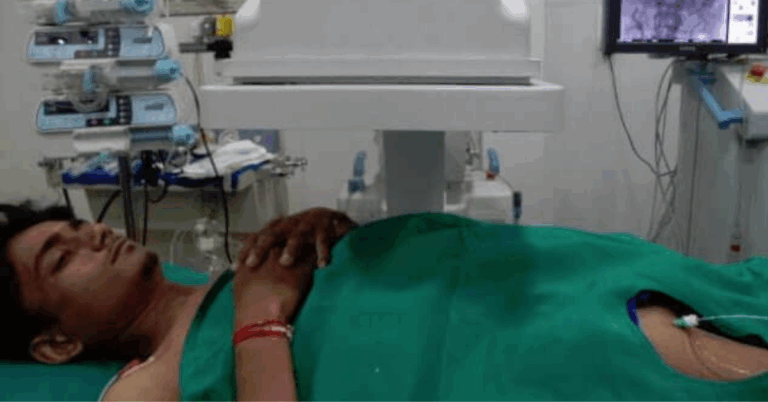
A rigid bronchoscope is a straight, non-flexible tube inserted through the mouth under general anesthesia. It is primarily used to inspect, diagnose, and treat conditions affecting the central airways. Due to its sturdy structure, it enables physicians to perform advanced therapeutic interventions that may not be possible with flexible scopes.
This instrument is commonly used in operating rooms and specialized endoscopy suites. Its design allows for better airway control, making it a preferred option in emergency situations such as airway obstruction, massive bleeding, or foreign body aspiration.
Key Components and Design
The rigid bronchoscope is typically made from stainless steel and comes in various lengths and diameters to accommodate different patient anatomies, including pediatric and adult cases. It includes:
-
A hollow tube for airway access
-
Optical systems for visualization
-
Ports for suction, ventilation, and surgical instruments
-
Compatibility with light sources and cameras
These components work together to provide clear visibility and stable access to the airway during procedures.
Clinical Applications
One of the primary uses of a rigid bronchoscope is in the removal of foreign bodies from the airway, particularly in children. Coins, nuts, seeds, or small toys can be safely extracted using forceps passed through the scope.
It is also widely used for managing airway tumors, strictures, and stenosis. Physicians can perform biopsies, tumor debulking, laser therapy, or stent placement with greater accuracy. In cases of severe hemoptysis (coughing up blood), this instrument helps control bleeding by allowing effective suction and tamponade.
Additionally, it plays a crucial role in airway dilation procedures and in treating tracheobronchial narrowing caused by infections, trauma, or malignancies.
Advantages Over Flexible Bronchoscopy
While flexible bronchoscopes are commonly used for diagnostic purposes, the rigid bronchoscope offers several unique advantages:
-
Superior airway control during procedures
-
Larger working channel for instruments
-
Better suction capability
-
Increased stability for complex interventions
These benefits make it particularly suitable for therapeutic and emergency procedures where patient safety is critical.
Role in Pediatric Airway Management
In pediatric cases, airway obstruction is often a medical emergency. A rigid bronchoscope is considered the gold standard for foreign body removal in children. Its rigid structure allows precise manipulation and minimizes the risk of pushing objects further into the airway.
Pediatric specialists rely on this tool because it ensures continuous ventilation while maintaining clear visualization throughout the procedure.
Safety and Anesthesia Considerations
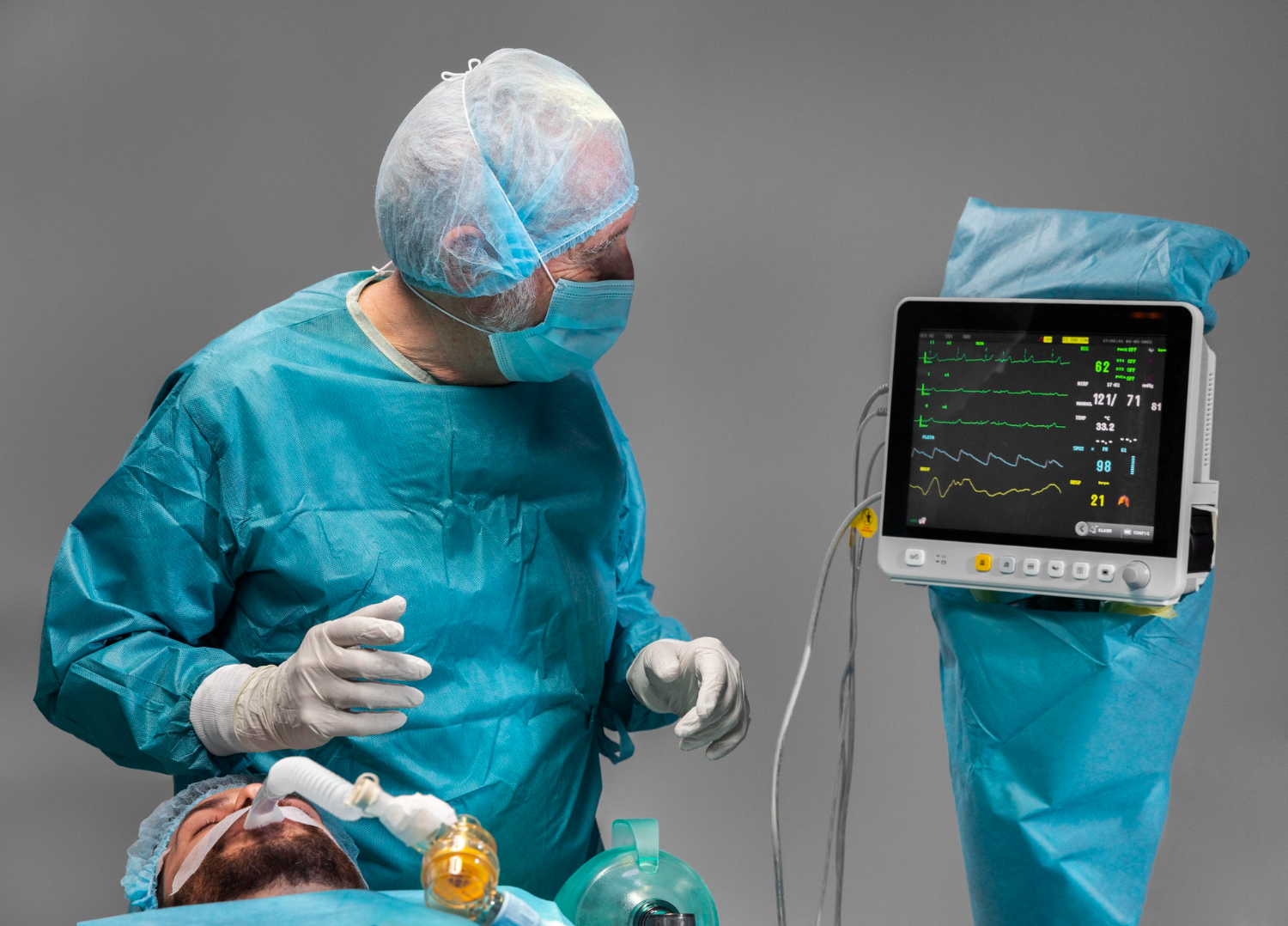
Procedures involving a rigid bronchoscope are performed under general anesthesia to ensure patient comfort and immobility. Proper patient monitoring is essential, including oxygen saturation, heart rate, and ventilation.
Although it is a highly effective instrument, its use requires skilled professionals due to the potential risks, such as airway trauma, dental injury, or bleeding. When performed by trained specialists, complication rates remain low.
Sterilization and Maintenance
Strict sterilization protocols are followed to prevent infections. The rigid bronchoscope must be thoroughly cleaned, disinfected, and sterilized after each use. Proper handling and storage are also important to maintain optical clarity and structural integrity.
Healthcare facilities often follow international guidelines to ensure compliance with safety and hygiene standards.
Technological Advancements
Modern rigid bronchoscopes have evolved with advancements in optics and imaging technology. High-definition cameras, improved lighting systems, and compatibility with video recording enhance diagnostic accuracy and procedural outcomes.
Some newer models integrate seamlessly with endoscopic towers, allowing real-time visualization for the entire surgical team.
Training and Expertise
Using a rigid bronchoscope requires specialized training and experience. Pulmonologists, ENT surgeons, and thoracic surgeons undergo dedicated training programs to master its use. Hands-on workshops and simulation-based learning help clinicians develop the skills necessary for safe and effective procedures.
Conclusion
The rigid bronchoscope remains an indispensable tool in modern airway management and interventional pulmonology. Its strength, precision, and versatility make it ideal for complex and emergency procedures that demand full airway control. From foreign body removal to tumor management, it continues to play a vital role in saving lives and improving patient outcomes. With ongoing technological advancements and proper clinical expertise, this instrument will remain a cornerstone of advanced bronchoscopic care